
A Family Affair: The Pet Perks That Matter
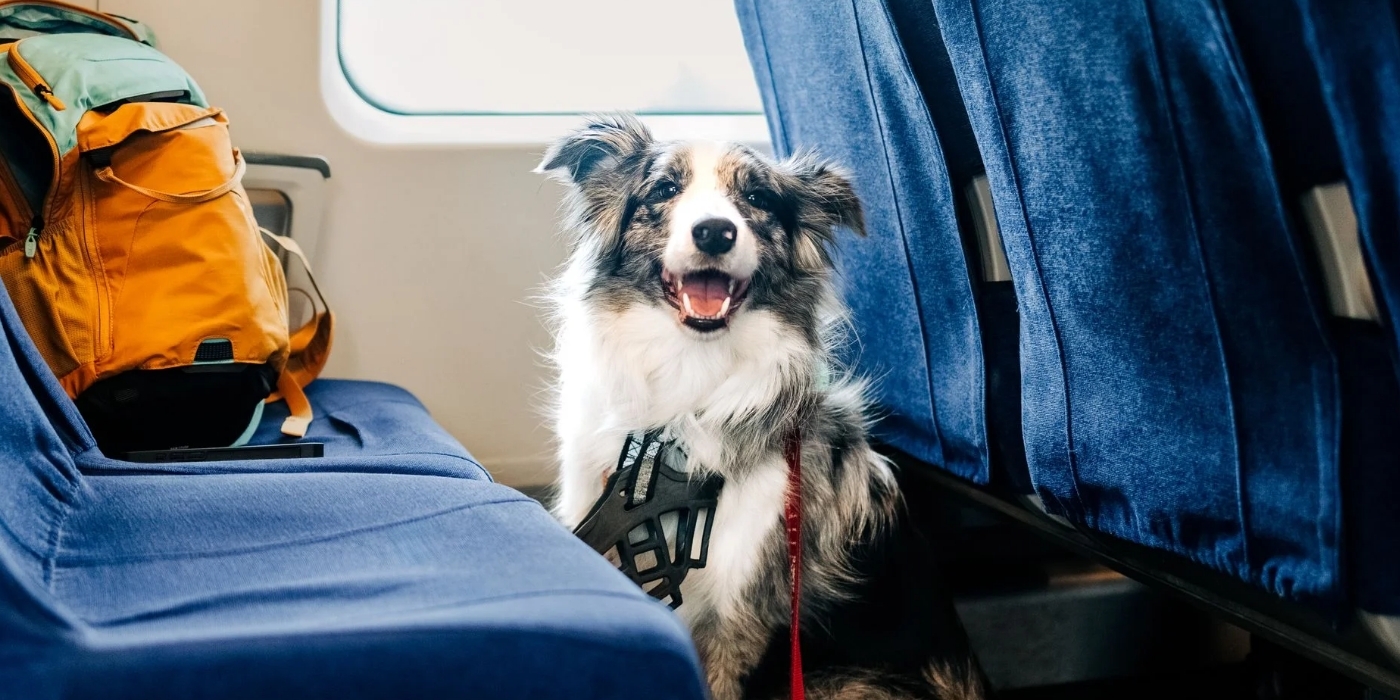
Relocation may start with an employee, but it rarely stops there. Partners, children, and furry, four-legged family members are often part of the move. When a beloved pet can’t relocate safely or easily, even the most exciting assignment can suddenly feel far more complicated.
Yet pet shipment has traditionally sat on the sidelines of mobility policy—treated as a discretionary family benefit rather than a core entitlement. It is still more common for international permanent transfers and long-term assignments than for U.S. domestic moves, where support often comes through a miscellaneous allowance, lump sum or case-by-case approval.
That is beginning to change.
Pet Support: What the Data Shows
Several major surveys indicate that 31%–39% of organizations provide pet shipment support for long-term international assignments, while 28%–34% do so for permanent international transfers—both up since 2022. The direction is clear: employers are looking for practical ways to improve the relocation experience without losing sight of cost or policy control.
Most programs keep that support clearly defined. Coverage typically applies to domestic dogs and cats, requires an approved or licensed provider, and is delivered as a one-time capped reimbursement. Open-ended quarantine, boarding and elective services generally remain outside the policy.
Across Weichert’s client base, nearly 40% provide some level of pet-move support. And in a recent customer insight survey of more than 1,400 employees, more respondents reported moving with a pet than with a child.
Small Benefit, Big Impact
Pet shipment is a classic low-frequency, high-impact benefit. It may apply to relatively few moves, but for employees with pets, safe and compliant transport can influence whether an assignment feels possible at all. For employers, a modest, well-defined allowance may cost far less than a delayed start, reassignment or failed relocation.
The strongest programs pair simple policy language with room for managed exceptions. The aim is not to cover every possible expense, but to offer meaningful support while maintaining clear guardrails around eligibility, cost and compliance.
How to Build a Practical Pet-Friendly Policy
- Reimburse rather than arrange. Cover eligible transport costs without booking the move or directing employees to a specific third-party shipper. This provides support while keeping ownership of the process clear.
- Set a clear cap. Define limits per pet and per move. Client policies referenced in the original draft range from USD $1,000 to $3,500, giving employees meaningful assistance while keeping costs predictable.
- Be specific about eligible expenses. Coverage might include transportation, required vaccinations and a limited quarantine period. Carriers, boarding, elective services and costs beyond the approved window can be explicitly excluded.
- State how many pets are covered. A defined maximum avoids ambiguity and makes the benefit easier to administer consistently.
- Define an eligible pet. Most policies focus on domestic companion animals that normally live in the home, such as dogs and cats. Include any relevant breed or species exclusions so employees know the boundaries from the outset.
- Put compliance responsibilities in writing. Make clear that shipment is subject to destination-country rules and that employees must confirm requirements with the relevant government authority and veterinarian. The earlier they start the paperwork, the better; requirements can change, and the process may take months to complete.
Help Employees Plan Ahead
Pet travel can involve health certificates, vaccinations, testing, permits, approved routes and quarantine, and requirements vary by destination and transit country (and are subject to unexpected changes that can throw everything off course). Encourage employees to research the process as soon as a move is confirmed. Early planning can help prevent denied entry, costly delays and last-minute surprises.
Pet support may never be the largest line item in a relocation package, but for the employees who need it, it can be one of the most meaningful. A clear, capped and compliant benefit shows employees that mobility recognizes the needs of the whole family—Rover included.
Insider Insight from the Advisory Archives
Pet transport can produce some wild stories—pun intended—especially when mobility policies are vague about which animals qualify and how they can be moved. Here are a few favorites from the archives, along with the takeaways for mobility teams.
- Get Specific—or Pet Transport Could Become the Costliest Part of the Move
Years ago, we supported an executive relocating from New Jersey to Florida with a champion hunter-jumper horse belonging to their teenage daughter, an Olympic hopeful. After considerable discussion, the company approved the transport, which ultimately cost more than the employee’s home sale.
Key lesson: Clearly define eligible “household pets,” list exclusions, and ask detailed questions early so unusual requests surface before they become costly surprises.
- An Employee-Proposed Alternative Delivers a Double Win
An international assignee asked to use the approved vendor only for documentation and arrange the dog’s ground transport personally after a poor previous experience. The alternative cut estimated costs from $6,500 to $2,900—a savings of about $3,600—while addressing the employee’s concerns, so approval was granted.
Key lesson: Pet-related exceptions are easier to support when they improve the employee experience and reduce costs.
- How You Frame the Exception Matters
A relocating employee requested help moving a rescued dog from Dallas to Long Beach. Professional transport, including the crate, veterinary documentation, and care, was estimated at up to $5,000. The request emphasized the employee’s well-being, reduced stress, and a smoother transition into the new role.
Key lesson: Pet transport requests often resonate more when framed around family well-being and assignment success—not convenience.
Connect with our Advisory Services team to learn more about the results of our recent “Mobility Practices: A Family Affair” research, or to tap into more recommendations on wellbeing support for your mobile talent.

 A Family Affair: The Pet Perks That Matter
  Is Your Global Mobility Program Healthy? And Why It Matters More Than You Think.
  As AI Infrastructure Grows, Talent Mobility Follows
  Let’s Make Work Happen: Inside Weichert India