
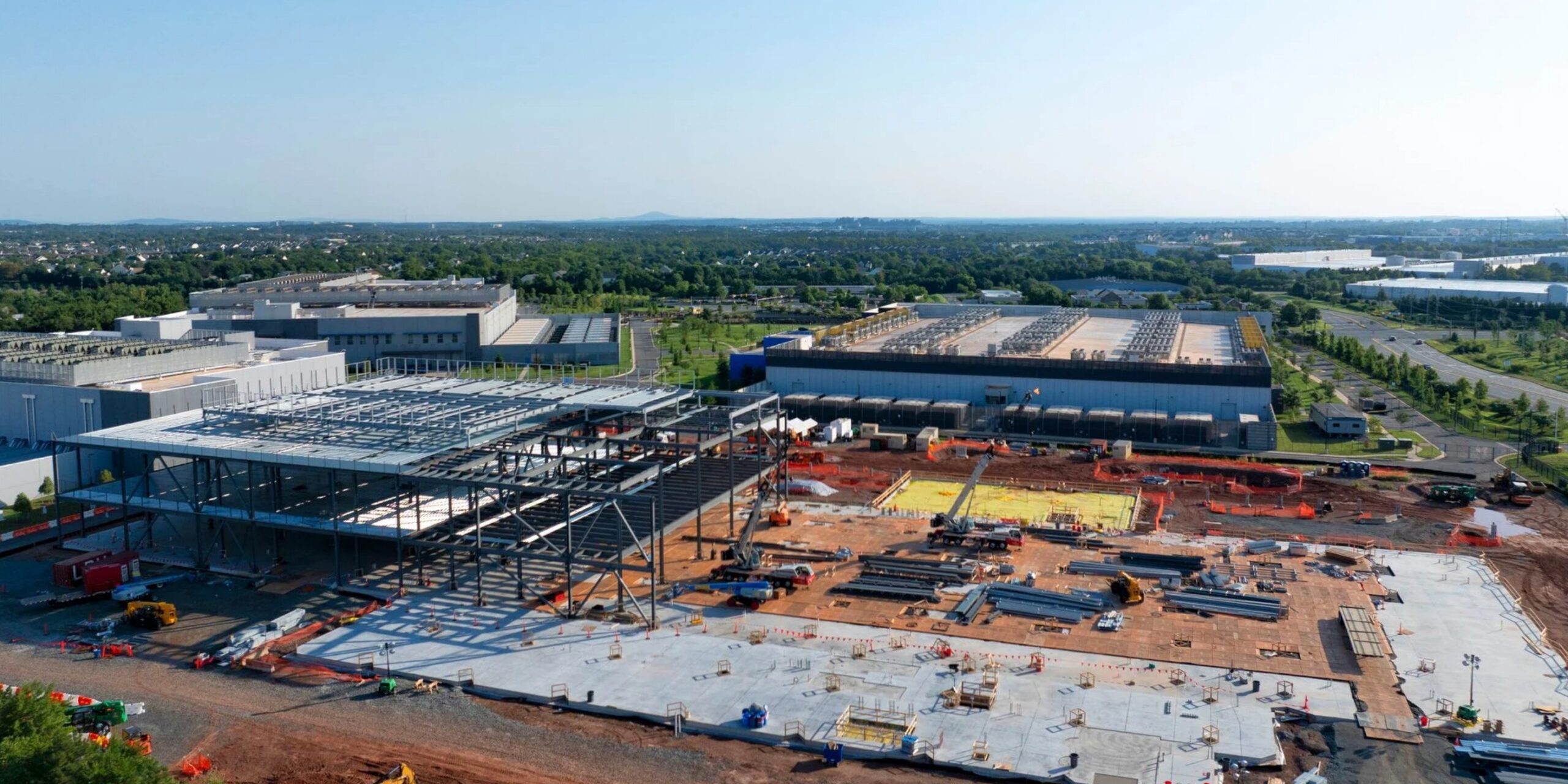
As AI Infrastructure Grows, Talent Mobility Follows
AI may feel like a digital revolution, but its growth is being fueled by something very physical: data centers. As organizations race to build the infrastructure behind AI, they also need to move the specialized people who can bring that infrastructure to life, from engineers and project teams to operations leaders and on-the-ground support. For mobility teams, the AI boom is both a technology story and a talent-deployment story, with the next chapter unfolding in markets where critical talent needs to move fast.
Growth Behind the Screen Is Creating a Real Mobility Challenge
Behind every breakthrough AI tool is a growing network of physical infrastructure—and that growth is reshaping where specialized talent is needed, how quickly teams must be deployed, and what support employees need once they arrive. Major technology companies, cloud providers, developers, utilities, and infrastructure partners are competing for many of the same high-demand skills, including engineers, project managers, construction specialists, commissioning experts, network talent, and operations leaders.
In many cases, those skills do not already exist in the markets where new facilities are being built. That puts mobility teams in the middle of an increasingly complex equation: how to move people faster, into less predictable locations, with fewer delays and higher expectations.
Why Data Center Site Selection Puts Mobility Under Pressure
Data centers are not necessarily built where talent is easiest to find, or where relocating employees is most straightforward. They are built where the infrastructure works best: where power, land, cooling conditions, and fiber connectivity can support massive computing demands.
Those infrastructure needs often push development into secondary and tertiary markets. For mobility teams, that can mean fewer established relocation resources, tighter rental markets, limited temporary living options, longer commutes, and more pressure to create a positive experience in places that may not have been on the company’s mobility map before.
The Talent Equation Is Bigger Than Construction
Construction is a major part of the data center boom, but the mobility implications extend beyond the job site. Companies also need specialists who can launch facilities, stabilize operations, train local teams, manage vendors, support compliance, and keep highly complex environments running.
Some assignments may last a few months. Others may stretch longer. Some employees may relocate permanently, while others rotate in and out. Either way, AI infrastructure growth is creating a more fluid, project-driven talent model.
Mobility Is Now a Project-Critical Resource
For large-scale AI and infrastructure projects, mobility can no longer be treated as an administrative step that happens after the business decides where people need to go. It needs to be part of the planning conversation from the start—alongside talent acquisition, workforce planning, real estate, procurement, and project leadership.
If organizations cannot identify, deploy, house, and support talent quickly enough, project timelines can feel the impact. And when highly skilled talent is already scarce, friction in the mobility experience can affect retention, productivity, and employee willingness to take on future assignments.
What This Means for Mobility Programs
AI infrastructure growth is accelerating a shift mobility teams have already been navigating: more project-based movement, more cross-functional coordination, and more pressure to balance speed, cost, compliance, and care. For mobility leaders, the opportunity is to move from reactive support to strategic enablement.
- Plan for project-based mobility: Specialized teams may need to move in phases, rotate across sites, or remain in market for extended periods.
- Connect mobility to talent strategy: When skills are scarce, mobility can help companies attract, deploy, and retain the people needed to deliver critical work.
- Use market intelligence early: New data center hubs may lack established relocation ecosystems, making local insight essential before deployment begins.
- Build in flexibility: Project timelines change, and mobility programs need policies and partners that can scale, extend, or adjust with minimal disruption.
- Protect the employee experience: Clear communication, dependable housing, practical local support, and family-aware planning can make demanding assignments easier to sustain.
What Companies Should Plan for Now
For mobility leaders, the strategic opportunity is to help the business plan for the full talent deployment lifecycle. That starts with practical questions:
- Where will critical skills come from?
- Which roles require short-term assignment support, rotational deployment, or permanent relocation?
- What local constraints could affect cost, commuting, schooling, family support, or employee readiness?
The strongest mobility strategies will be flexible enough to support rapid deployment, structured enough to manage compliance and cost, and human enough to keep employees supported through demanding project cycles. In a market where speed matters and critical skills are hard to find, mobility can become a powerful advantage, and not just a support function.
This is one of the core messages that came through in our Designing Mobility for Success research: as the talent landscape becomes more complex, mobility teams are being called on to operate with greater strategy, agility, and influence. It’s a shift worth understanding—and one we explore in greater depth in the report.
The Bottom Line
The AI revolution may be powered by technology, but it is being built, launched, maintained, and scaled by people. And as data center growth continues to reshape where talent is needed, organizations that treat mobility as a strategic enabler will be better positioned to protect timelines, control costs, and support the people behind the progress.
In Part 2, we’ll look at one of the most immediate pressure points created by this shift: housing—and why early planning can make all the difference when project teams need to move fast.

 The Human Side of the Move: Lessons from ATMA Malaysia
  A Major Mobility Change Without a Major Drain on Your Team
  What Is the Average Lump Sum—and Is It Enough?
  As AI Infrastructure Grows, Housing Has to Keep Up