

The One Take: Two Leaders on Leading Through Change
Today’s mobility leaders have a whole lot on their plates, and we’re not talking about gravy-coated Thanksgiving leftovers. They’re battling the demands of a rapidly changing world of work driven by everything from volatile economic conditions to workforce transformation and the rapid rise of AI. All of this means more complexity, fewer resources, and bigger demands when it comes to keeping talent mobile.
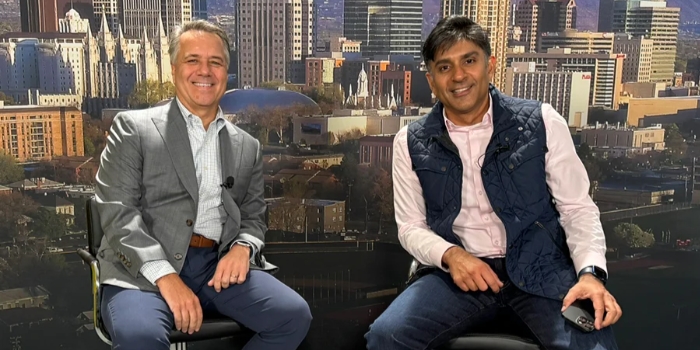
During the recent WERC Global 25 in Salt Lake City, Weichert President Dave Bencivengo sat down with WERC President Anupam Singal for an episode of “The One Take.” Together, they dug into the question on every mobility leader’s mind: What’s actually changing, and what just sounds good in a PowerPoint? They also examined what an “exceptional customer experience” looks like against often unrealistic expectations, how mobility providers can stand out when everyone’s claiming innovation, and the cost and consistency pressures keeping HR and mobility teams up at night.
Here’s a quick look at the themes that rose to the top in this honest, leader-to-leader exchange:
1. The Mobility Landscape Is Changing—Fast
Both leaders acknowledged the uncertainty that companies are managing right now: fluctuating economic signals, increased job insecurity, pockets of hiring freezes, and shifts in workforce expectations.
But Dave surfaced a deeper trend shaping mobility strategy: Mobility isn’t just about filling roles—it’s about talent value. He reinforced that the traditional “ROI” framework tied to costly international assignments no longer reflects the full picture. Mobility creates an impact that extends well beyond job placement, encompassing leadership development, global culture-building, internal mobility, and strengthening organizational agility.
As local talent pools expand and companies become more cautious about who they’re relocating and where, Dave stressed the need for mobility teams to clearly articulate the broader business case. Organizations must understand and advocate for the strategic value of moving the right people at the right time for the right reasons.
2. Hybrid Work Is Redefining Talent Decisions
The rise of hybrid and remote work has changed the geography of talent, but it hasn’t eliminated the need to bring people together.
Dave noted that while some companies are expanding flexibility (“We’ll let this person work from Florida even though the role is in Dallas”), the bigger question is effectiveness: Can this person lead, collaborate, and perform in a distributed structure? And when culture-building or leadership alignment matters most, mobility becomes even more important.
Both leaders agreed: Agile, short-term, purpose-driven mobility is certainly becoming more relevant, even as traditional permanent moves may decline. Organizations will need new tools, models, and services to support this shift, and Weichert is actively designing for that future.
3. AI Is Moving from Buzzword to Business Value
We get it: AI is everywhere. But as Dave put it, mobility requires tangible applications, not “window dressing.” Weichert’s approach is intentional: each year, the company sets AI goals for three groups—customers, clients, and colleagues—to ensure the technology enhances experiences across the entire ecosystem.
Dave shared several practical examples already in use:
- AI-powered executive summaries:
Using Weichert’s Salesforce agent tools, clients can generate an instant snapshot of any move—status, notes, exceptions, and key milestones—without combing through files or contacting a counselor. It’s a major time-saver and elevates visibility. - AI-generated policy podcasts:
Clients can transform their written mobility policy into an engaging, human-sounding audio format, delivered in seconds. Employees can understand their benefits while driving, walking, or working out. - Internal AI efficiencies:
Behind the scenes, Weichert is using AI to streamline financial workflows, free up counselor time, and reinvest efficiency gains directly into better service and experience.
The throughline: AI is not replacing the human touch—it’s amplifying it.
4. Customer Experience Remains the Real Differentiator
With volume softening and companies cautious about spend, Dave emphasized that customer experience will define the winners. That’s why Weichert’s roadmap for 2026 focuses on:
- More intuitive and personalized digital experiences
- Enhanced lump sum tools and flexible mobility options
- Smarter policy engagement tools
- Greater counselor availability and value
- Deeper insights and visibility for clients through analytics
As Dave put it: “We can dictate what we think is a great customer experience, but the real measure is whether it fits what customers and clients actually need.”
5. Looking Ahead to 2026: Optimism with Eyes Wide Open
Dave left no doubt: Weichert is bounding towards 2026 energized by real progress, and realistic about the road ahead. While innovation is accelerating, so are the pressures shaping the mobility landscape:
- Economic caution could keep mobility volumes restrained
- Slower hiring trends are expanding local talent pools
- Ongoing job uncertainty may reduce employees’ appetite for relocation
- A smaller overall “mobility pie” intensifies competition across the industry
Weichert’s path forward is intentional and unwavering: continue investing in technology, elevate every customer touchpoint, strengthen partnerships, and stay agile enough to adapt as the market shifts.
And what does this mean for Weichert’s people and our supplier partners as efficiency and AI automation evolve? Dave was clear that roles will change, but transparency and partnership remain non-negotiable. “Less is more” continues to guide our supplier strategy. This means fewer partnerships, deeper collaboration, and greater shared value for everyone involved.
The Bottom Line
The mobility industry is navigating one of its most transformative eras. But as Dave and Anupam highlighted, within disruption lies opportunity: to rethink old models, elevate talent strategy, and create more meaningful, human-centered experiences.
And as always, Weichert is leaning into positive change, advancing with innovation, accelerating with technology, and staying anchored in the relationships that define exceptional mobility.
Check out the full conversation here: